• Home
  • Vezo (Madagascar)
  • Kasghar (China)
    • Old town / New town
    • Made from Earth (video)
  • Medium (China)
  • Gender (Bangladesh)
    • Women and work
    • Hijra
  • Platform 7 (Australia)
  • Black Tuesday (Australia)
  • Bio
  • Contact
  • Menu

Talhy Stotzer

  • Home
  • Vezo (Madagascar)
  • Kasghar (China)
    • Old town / New town
    • Made from Earth (video)
  • Medium (China)
  • Gender (Bangladesh)
    • Women and work
    • Hijra
  • Platform 7 (Australia)
  • Black Tuesday (Australia)
  • Bio
  • Contact
View fullsize Madagascar_title
View fullsize Mada02.jpg
View fullsize Mada03.jpg
View fullsize Mada04.jpg
View fullsize Mada05.jpg
View fullsize Mada06.jpg
View fullsize Mada07.jpg
View fullsize Mada08.jpg
View fullsize Mada09.jpg
View fullsize Mada10.jpg
View fullsize Mada11.jpg
View fullsize Mada12.jpg
View fullsize Mada13.jpg
View fullsize Mada14.jpg
View fullsize Mada15.jpg
View fullsize Mada16jpg.jpg
View fullsize Mada17.jpg
View fullsize Mada19.jpg
View fullsize Mada20.jpg
View fullsize Mada21.jpg
View fullsize Mada22.jpg
View fullsize Mada23.jpg
View fullsize Mada24.jpg
View fullsize Mada25.jpg
View fullsize Mada26.jpg
View fullsize Mada27jpg.jpg
View fullsize Mada28.jpg
View fullsize Mada29.jpg
View fullsize Mada30.jpg
View fullsize Mada31.jpg
View fullsize madagascar
View fullsize Mada33.jpg
View fullsize Mada34.jpg
View fullsize Mada35.jpg
View fullsize Mada36.jpg
View fullsize Mada37.jpg
View fullsize Mada38.jpg
View fullsize Mada39.jpg
View fullsize Mada40.jpg
View fullsize Mada41.jpg
View fullsize Mada42.jpg
View fullsize Mada43.jpg
View fullsize Mada44.jpg
View fullsize Mada45.jpg
View fullsize Mada46.jpg
View fullsize Mada47.jpg
View fullsize Mada48.jpg
  • The Vezo are people of the south-west coast of Madagascar whose lives revolve around the ocean. Vezo means "to paddle" in the local dialect, and over 80% of families are employed in small-scale fishing, often using a traditional outrigger canoe called a laka. They are attuned to the tides and to the nuanced sounds of the waves breaking on the outer reef that determine when and how the men fish while the women and children collect what is left on the shores at low tide.

    Earning a living from fishing, however, has become increasingly challenging due to diminishing fish stocks from overfishing and climate change. To relieve pressure on natural marine resources and provide a more reliable income, some fishermen have recently started to transition into more sustainable aquaculture activities, such as farming sea-cucumbers.

    As well as a deep connection to the ocean, the Vezo have strong bonds with their ancestors. They are mostly Christians, but also participate in local rituals such as spirit possessions. ‘Sunday to church and Monday to the tsomb (spirit medium)’ a common saying among them, expresses the syncretic nature of their rituals.

    Most of the dwellings in the village are made from reeds, and food is cooked with firewood that is becoming increasingly scarce and must be gathered from scrubland further and further away. There is no electricity or running water, so women and children have to carry fresh water in buckets from wells often situated far from where they live.

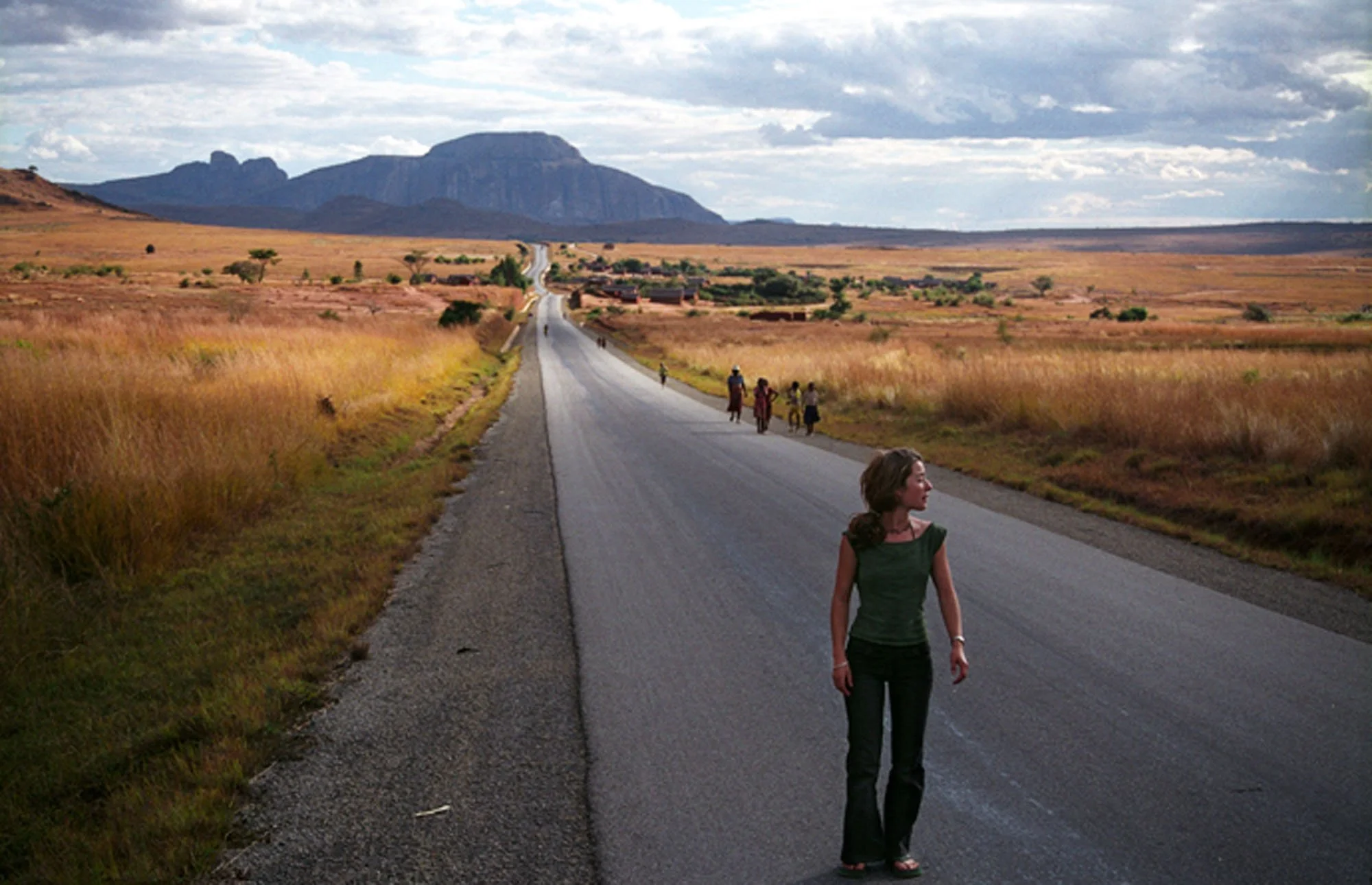
    These photographs are fragments from my experience of daily life in Andrevo, a remote Vezo Village where I lived for two months.